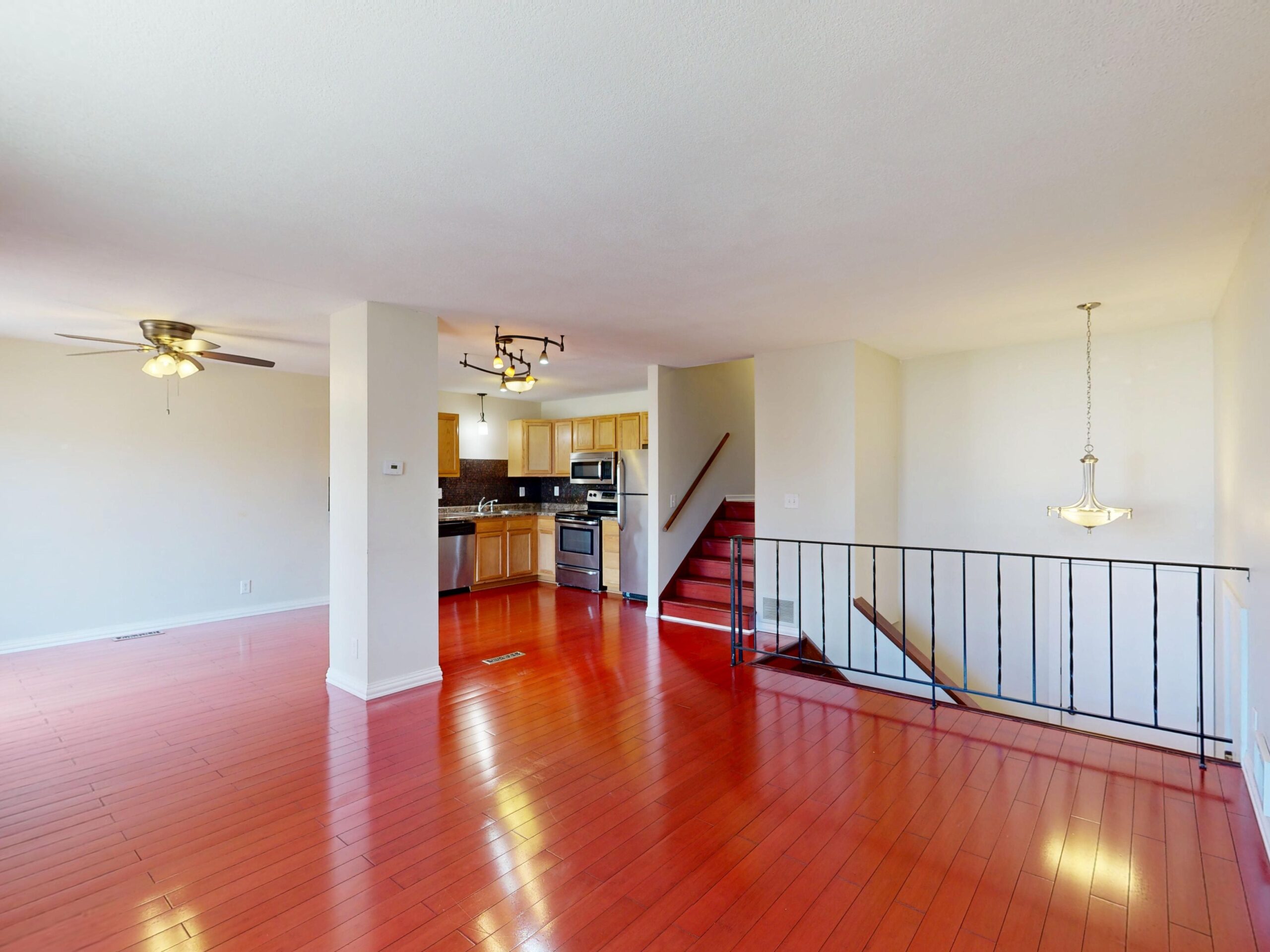
The upfront cost catches almost everyone off guard — budgeting for it in advance makes the whole process far less stressful.
Apartment hunting in Japan runs through real estate agencies rather than browsing and booking entirely on your own, and the upfront costs are genuinely higher than many people expect. Here's what the process actually looks like, and what to budget for before you start.
💰 The Upfront Costs
| Cost | Japanese | Typical amount |
|---|---|---|
| Deposit (refundable, minus cleaning) | 敷金 (shikikin) | 1–2 months' rent |
| Key money (non-refundable) | 礼金 (reikin) | 1–2 months' rent |
| Agency fee | 仲介手数料 (chūkai tesūryō) | ~1 month's rent |
| Fire insurance (usually required) | 火災保険 (kasai hoken) | A small fixed annual fee |
| First month's rent | 前家賃 (maeyachin) | 1 month's rent |
Add it up, and moving in commonly costs 4–6 months' worth of rent upfront — this surprises a lot of first-time renters who budgeted only for a deposit and first month, the way it often works elsewhere. Some newer listings, especially ones marketed toward foreign residents, advertise "reikin nashi" (礼金なし, no key money) or "shikikin/reikin zero" — worth specifically searching for if your budget is tight.
🤝 The Guarantor Requirement
Most leases require a guarantor (保証人, hoshōnin) — someone who agrees to cover the rent if you can't. Without a Japanese family member or long-term connection to act as one, you'll typically use a guarantor company (保証会社, hoshō gaisha) instead — a paid service that fills this role, and increasingly standard for both Japanese and foreign renters alike, not just a foreigner-specific workaround.
| English | Japanese | Romaji |
|---|---|---|
| Do I need a guarantor? | 保証人が必要ですか? | Hoshōnin ga hitsuyō desu ka? |
| Is a guarantor company okay? | 保証会社でも大丈夫ですか? | Hoshō gaisha demo daijōbu desu ka? |
🚪 Viewing & Applying
- Agencies typically arrange same-day viewings of multiple properties in one trip, rather than you browsing listings entirely independently.
- Popular units move fast — it's common to need a decision within a day or two after viewing, not weeks.
- Some landlords are hesitant to rent to foreign residents, often tied to language-communication concerns rather than a blanket rule — agencies that specifically work with foreign clients (searchable as such) tend to have an easier time navigating this.
- Bring your residence card and proof of income to the agency visit — both are standard application requirements.
| English | Japanese | Romaji |
|---|---|---|
| I'd like to view this room | この部屋を見たいです | Kono heya o mitai desu |
| I'd like to apply | 申し込みたいです | Mōshikomitai desu |
⚠️ 7 Mistakes to Avoid
- Budgeting only for a deposit and first month — plan for 4–6 months' rent in total upfront costs.
- Assuming shikikin is fully refundable — cleaning and restoration costs are typically deducted at move-out.
- Not searching for "reikin nashi" listings — a meaningful way to reduce upfront cost if key money isn't fixed.
- Not having a guarantor plan in place before viewing — know whether you'll use a guarantor company ahead of time, not after finding a place.
- Hesitating too long on a popular listing — good units in good locations are often gone within days.
- Skipping fire insurance as optional — most leases require it, not just recommend it.
- Not bringing your residence card and income proof to viewings — having documents ready speeds up the application significantly.
📋 Your Cheat-Sheet Recap
| Term | Japanese | What it means |
|---|---|---|
| Deposit | 敷金 | Shikikin |
| Key money | 礼金 | Reikin |
| Agency fee | 仲介手数料 | Chūkai tesūryō |
| Guarantor | 保証人 | Hoshōnin |
| Guarantor company | 保証会社 | Hoshō gaisha |
| No key money | 礼金なし | Reikin nashi |
Once you've budgeted for the real upfront cost and lined up a guarantor plan, the rest of the process moves surprisingly fast — often from first viewing to signed lease in under a week. For the day-to-day rules once you've moved in, see our guide to living in Japan.