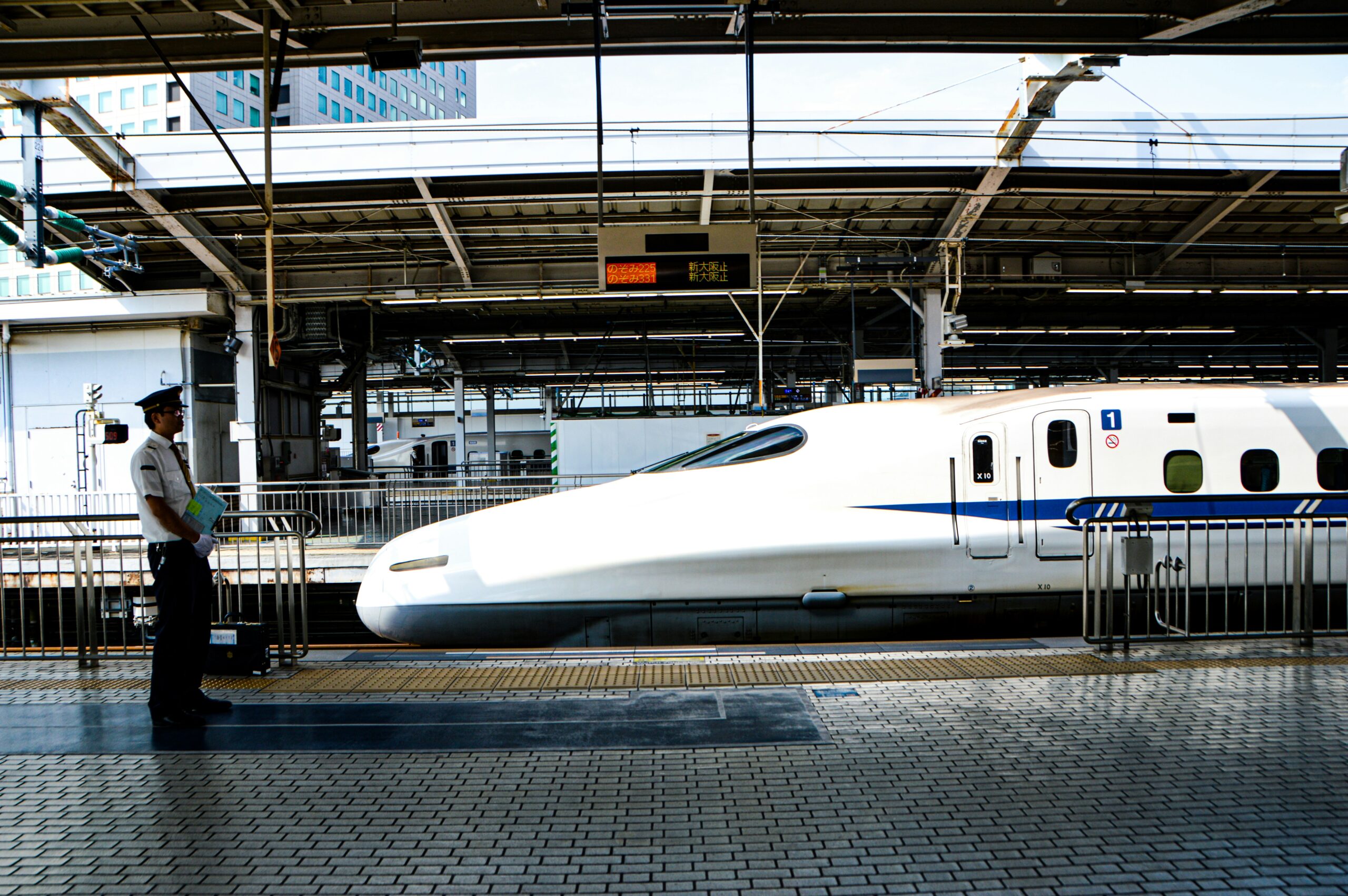
It looks overwhelming on a map. It's actually one of the most logical systems you'll ever use — once someone explains the pieces.
Japan's train system has a reputation for being intimidating: overlapping train companies, a JR Pass everyone talks about but few people explain clearly, and station maps that look like circuit boards. In practice, almost the entire system runs on two ideas — tap-and-go IC cards, and knowing when (and when not) to bother with a JR Pass.
💳 IC Cards: Suica, Pasmo, and the Rest
An IC card is a rechargeable tap-to-pay card that works across nearly all trains, subways, and buses nationwide, regardless of which company runs the line. The two most common are Suica (issued by JR East) and Pasmo (issued by Tokyo-area private railways) — functionally, they work the same way and are accepted almost everywhere, including most other regions of Japan.
- Buy one at any station ticket machine (look for an IC card option) or convenience store — many are now available as a digital card on your phone (Apple Pay/Google Pay) as well
- Charge (top up) at station machines — look for チャージ (chāji)
- Tap in when you enter the platform gate, tap out when you exit — the fare is automatically calculated and deducted based on distance traveled
- They also work as regular payment at convenience stores, vending machines, and many shops — genuinely useful beyond just trains
For nearly all travel within a single city or region, an IC card alone is all you need — no ticket-buying, no figuring out fares in advance.
🎫 The JR Pass: When It's Actually Worth It
The Japan Rail Pass is a set-price pass covering unlimited travel on JR-operated trains (including most shinkansen/bullet trains) for a fixed number of days. It's heavily marketed to tourists, but it isn't automatically the right choice.
| Good fit for | Not worth it for |
|---|---|
| Multi-city trips (e.g., Tokyo → Kyoto → Hiroshima → Osaka) | Staying in one city or region the whole trip |
| Long-distance shinkansen travel | Mostly using subways and private railways (JR Pass doesn't cover these) |
| Multiple long round-trips within the pass's validity window | A short trip where 1–2 shinkansen rides would be cheaper bought individually |
Important: the JR Pass only covers JR-operated lines. Tokyo's subway system, for example, is largely run by non-JR companies (Tokyo Metro, Toei) — so you'll still need an IC card or individual tickets for those, JR Pass or not.
Do the math before buying: add up what your planned shinkansen routes would cost individually, and compare that total to the pass price. If your trip is concentrated in one city, skip it and just use an IC card.
🚄 Riding the Shinkansen
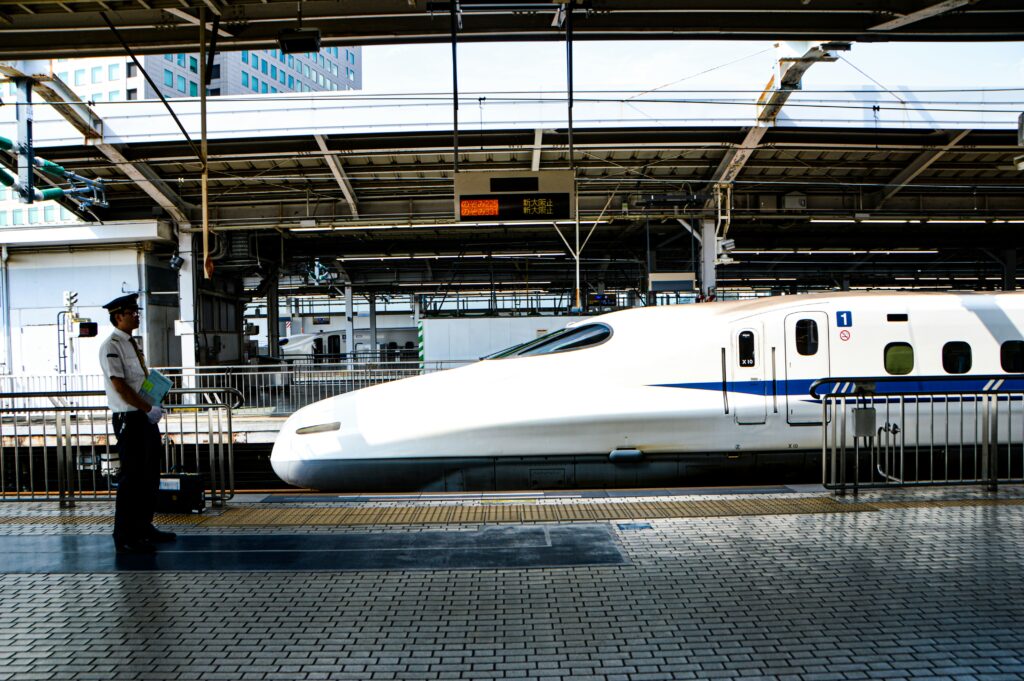
- Reserved seats (指定席, shiteiseki) guarantee you a seat — worth it during holidays or peak travel times
- Non-reserved cars (自由席, jiyūseki) are first-come, first-served, and usually fine outside of peak periods
- Look for your car number on the platform markings — they show exactly where each car will stop, so you can line up in the right spot ahead of time
- An ekiben (駅弁) — a boxed meal sold at or near the station — is a completely normal (and recommended) thing to bring onto a long-distance train
🚇 Local Trains vs. Subway vs. Private Railways
One city can have several train operators running through it — JR, a metro/subway authority, and one or more private railway companies — all with separate names but all tappable with the same IC card. You generally don't need to think about who operates which line day-to-day; the IC card handles it. The only time it matters is exactly the JR Pass situation above: knowing which lines a JR-only pass will and won't cover.
⚠️ 7 Mistakes Travelers Make
- Buying a JR Pass for a single-city trip — do the math first; it's often not worth it.
- Assuming the JR Pass covers the subway — it doesn't, in most cases.
- Missing the last train — most lines stop running around midnight to 1am, earlier than many visitors expect; check the last train time before a late night out.
- Not charging enough on your IC card — you'll need enough balance to tap out; low-balance gates can require a stop at a fare adjustment machine.
- Standing in the wrong spot for a reserved shinkansen seat — check the platform car-number markings.
- Assuming a phone IC card and a physical IC card work identically for tourists — some physical tourist-oriented IC cards have region restrictions; check before relying on one outside major cities.
- Talking loudly or taking calls onboard — see our travel Japanese guide for train etiquette basics.
📋 Your Cheat-Sheet Recap
| Term | Japanese | What it means |
|---|---|---|
| IC card top-up | チャージ | "Charge" — adding money to your IC card |
| Reserved seat | 指定席 (shiteiseki) | Guaranteed seat, usually a small extra fee |
| Non-reserved car | 自由席 (jiyūseki) | First-come, first-served seating |
| Station bento | 駅弁 (ekiben) | Boxed meal sold for train travel |
| Bullet train | 新幹線 (shinkansen) | Japan's high-speed rail network |
Once your IC card is charged and you know whether a JR Pass actually makes sense for your route, the rest of the system mostly explains itself — follow the signs, tap in, tap out.