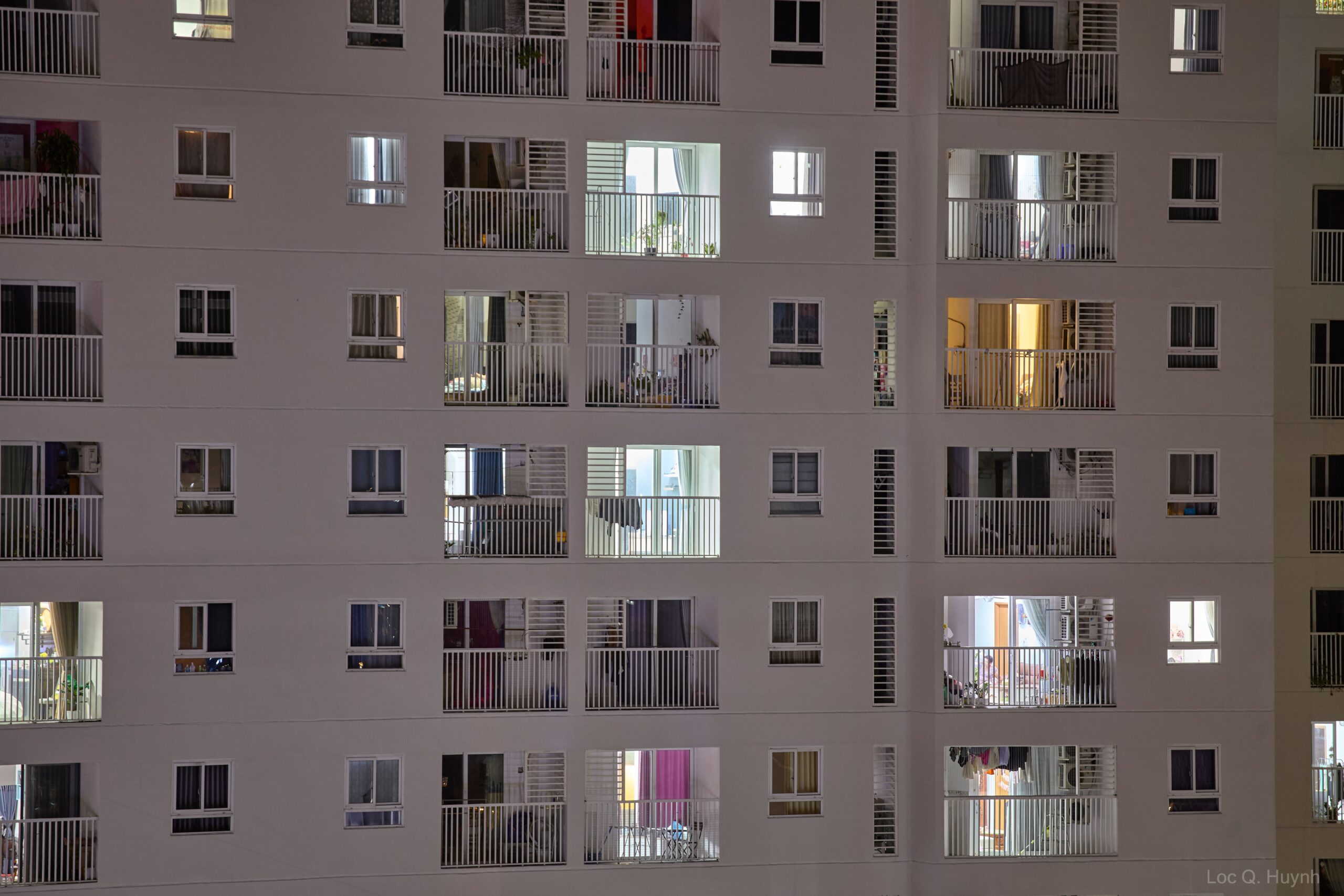
The rules nobody hands you a manual for — because everyone around you already knows them.
If you're moving to Japan, the visa, apartment contract, and bank account are already a lot to take on — but at least each one comes with a process, a checklist, and someone you can ask for help. What doesn't come with a checklist is the quiet social code everyone else picked up as a kid: which day the trash goes out, why your neighbor is holding a small towel-wrapped gift at your door, and why your landlord looks faintly alarmed when you run the washing machine at 11pm.
This guide covers the parts of daily life in Japan that don't come with instructions — starting with the one that trips up almost everyone in week one.
🗑️ Trash & Recycling
Japan's trash system has a reputation for being complicated, and honestly, it earns it. But once you understand the logic, it's manageable — the hard part is that rules vary by city and even by ward, so treat this as the general pattern, not the exact rulebook for your address.
| Category | Japanese | Typical examples |
|---|---|---|
| Burnable | 燃えるゴミ (moeru gomi) | Food waste, paper, small wood items |
| Non-burnable | 燃えないゴミ (moenai gomi) | Ceramics, small metal items, broken glass |
| Recyclables | 資源ごみ (shigen gomi) | PET bottles, cans, newspapers, cardboard |
| Oversized/bulk | 粗大ごみ (sodai gomi) | Furniture, appliances — usually needs a scheduled pickup and a paid sticker |
What you need to know:
- Each category goes out on a specific day of the week, and only on that day — putting bags out early or on the wrong day is one of the fastest ways to end up with your bag left uncollected, wearing a bright warning sticker for the whole neighborhood to see.
- Many municipalities require official, pre-printed trash bags sold at local supermarkets and convenience stores — a normal supermarket bag won't be collected.
- Bags typically need to go out to a designated collection point (often shared with several buildings) before a set morning time, not the night before.
- When you move in, ask your landlord or the city ward office for the **gomi calendar** (ゴミカレンダー) — most wards publish one, and many now have English, Chinese, or Vietnamese versions.
👋 Moving In: Greeting Your Neighbors
Traditionally, when you move into a new apartment, you're expected to briefly greet the neighbors on either side of you and the one directly below (if it's an apartment building) — not a long conversation, just a polite hello and a small gift.
| English | Japanese | Romaji |
|---|---|---|
| Nice to meet you, I just moved in | 本日引っ越してきました、よろしくお願いします | Honjitsu hikkoshite kimashita, yoroshiku onegaishimasu |
| This is a small gift, please accept it | これ、つまらないものですが | Kore, tsumaranai mono desu ga |
The gift is usually something small and inexpensive — a hand towel, laundry detergent, or a box of snacks in the ¥500–¥1000 range. This custom has become less common in big cities, especially in large anonymous apartment complexes, but it's still widely practiced enough that doing it will only earn you goodwill, never confusion.
🔇 Noise & Shared-Space Rules
Japanese apartment walls are often thinner than what you're used to, and noise complaints are taken seriously — sometimes escalating to a formal warning slip from the building management before anyone even talks to you directly.
- Washing machines and vacuum cleaners: avoid running them early morning (before ~8am) or late at night (after ~9-10pm). Many buildings have "quiet hours" printed in the move-in paperwork.
- Phone calls and video calls: keep your voice down, especially at night — sound travels more than you'd expect through apartment walls.
- Balconies: technically shared emergency-escape routes between units, not just your personal patio — avoid blocking them with large storage items, and check building rules before smoking there.
- Musical instruments: many buildings restrict or outright ban them unless the unit is specifically soundproofed — check your contract before you move a keyboard in.
🛠️ Talking to Your Landlord or Management Company
Something will eventually break, leak, or stop working, and you'll need to report it — usually to a 管理会社 (kanri gaisha, management company) rather than the landlord directly.
| English | Japanese | Romaji |
|---|---|---|
| There's a water leak | 水漏れがあります | Mizumore ga arimasu |
| The ~ is broken | ~が故障しています | ~ ga koshō shiteimasu |
| Could someone come take a look? | 見に来てもらえますか? | Mi ni kite moraemasu ka? |
| When is convenient for you? | いつがご都合よろしいですか? | Itsu ga gotsugō yoroshii desu ka? |
Two contract terms worth knowing before you sign anything: 敷金 (shikikin) is a refundable deposit (though "refundable" can mean less than you'd expect after cleaning fees), and 礼金 (reikin) is a non-refundable "key money" payment to the landlord — a one-time cost with no deposit-style return, common in Japan but unfamiliar to most renters from abroad.
For broader official support with daily life in Japan, CLAIR's multilingual resource hub is a great starting point.
⚠️ 7 Mistakes New Residents Make
- Putting trash out on the wrong day — check the gomi calendar before your first week is over.
- Running loud appliances late at night — thin walls mean this gets noticed fast.
- Skipping the neighbor greeting entirely — not required, but skipping it can make the first impression colder than it needs to be.
- Assuming the landlord handles repairs directly — almost always it's the management company, not the individual owner.
- Not confirming quiet hours before moving in instruments or a home gym — some buildings restrict this in the contract.
- Drying laundry outside without checking balcony rules — some buildings restrict visible laundry from the street-facing side.
- Confusing shikikin and reikin — assuming both are refundable like a Western-style deposit, and being surprised at move-out.
📋 Your Cheat-Sheet Recap
| # | English | Japanese | Romaji |
|---|---|---|---|
| 1 | Burnable trash | 燃えるゴミ | Moeru gomi |
| 2 | Non-burnable trash | 燃えないゴミ | Moenai gomi |
| 3 | Recyclables | 資源ごみ | Shigen gomi |
| 4 | Oversized trash | 粗大ごみ | Sodai gomi |
| 5 | Nice to meet you, I just moved in | 本日引っ越してきました、よろしくお願いします | Honjitsu hikkoshite kimashita, yoroshiku onegaishimasu |
| 6 | There's a water leak | 水漏れがあります | Mizumore ga arimasu |
| 7 | The ~ is broken | ~が故障しています | ~ ga koshō shiteimasu |
| 8 | Could someone come take a look? | 見に来てもらえますか? | Mi ni kite moraemasu ka? |
| 9 | Refundable deposit | 敷金 | Shikikin |
| 10 | Non-refundable key money | 礼金 | Reikin |
Screenshot this before move-in day — the first week is when you'll actually need it.
Next in this series: Business Japanese Manners — meishi (business card) etiquette, keigo basics, and the email phrases that make you sound like you've done this before.
"Next in this series: Business Japanese Manners — meishi (business card) etiquette..."